Cowboy Vintage: A Typeface with Frontier Spirit
There’s something instantly recognizable about the visual language of the American West. It’s not just in the imagery of horses and deserts, but in the lettering that once adorned saloon doors, wanted posters, and general store signs. The Cowboy Vintage font captures this rugged, historic aesthetic, offering designers a powerful tool for projects that demand character and authenticity. This isn't just another decorative typeface; it's a direct line to a heritage of bold, handcrafted communication.
The Anatomy of a Rugged Character
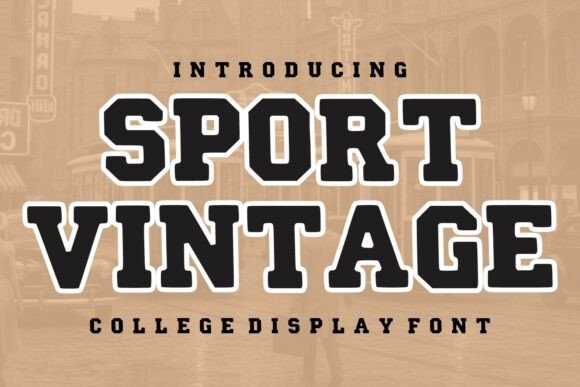
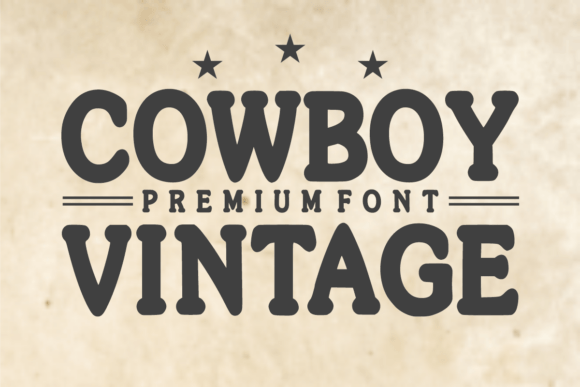
At its core, Cowboy Vintage is a slab-serif display font. What does that mean for your design? The "slab" refers to the sturdy, block-like serifs—the small strokes at the ends of the main letterforms. These aren't delicate or refined; they're substantial and built to last, much like the wooden beams of a frontier cabin. This construction gives the typeface its incredible visual weight and stability.
Look closer, and you'll notice the rounded terminals. Where a traditional, rigid slab serif might have sharp, abrupt ends, the letters in Cowboy Vintage soften slightly. This subtle roundness is key to its personality. It prevents the font from feeling cold or intimidating, infusing it with a welcoming, approachable vibe that’s perfect for brands wanting to appear strong yet friendly. The overall impression is one of timeless craftsmanship—each letter feels intentional, as if it were carved or routed from wood.
Where This Font Truly Shines: Practical Applications
Choosing the right display font is about matching its voice to your project's story. The Cowboy Vintage typeface excels where a narrative of heritage, adventure, or rugged individualism is central.
- Brand Identity & Logo Design: This is where the font makes its strongest impact. It’s an outstanding choice for brewery branding, craft distilleries, BBQ joints, and artisan food companies. For outdoor apparel logos, camping gear, or leather goods makers, it communicates durability and a connection to nature. The bold letterforms ensure your brand name is memorable and commands attention.
- Marketing & Editorial Design: Think about vintage-themed event posters, festival lineups, or rodeo promotions. In packaging design, it can instantly signal a product’s rustic, small-batch, or all-natural credentials. For editorial design, it works beautifully for magazine headlines, book covers (especially in Western, historical, or adventure genres), and chapter headings.
- Digital & Social Media: While it’s a display font best used sparingly, it can be a game-changer for web design hero sections, social media graphics, and YouTube channel art. Use it for a striking main headline to stop the scroll, then pair it with a highly readable body font for the details. It brings a tangible, tactile quality to the digital screen.
- Personal & Commercial Projects: Beyond business, it’s a fantastic creative font for hobbyists and crafters. Imagine it on wedding invitations with a rustic theme, personalized workshop signage, or custom apparel for a family reunion. Its strong presence makes any text feel important and deliberate.
Making It Work: Readability, Pairing, and Professionalism
A powerful typeface needs a thoughtful strategy. Using Cowboy Vintage effectively means considering how it influences your design's overall function and feel.
Guiding the Eye and Shaping Perception
As a premium font with high visual impact, Cowboy Vintage naturally establishes a strong visual hierarchy. It should be your go-to for headlines and logos, pulling the viewer’s eye exactly where you want it. This directly influences brand perception—using it consistently builds a brand identity that feels established, trustworthy, and rooted in a clear aesthetic. This consistency across touchpoints, from a website header to a product label, fosters brand recognition and professionalism.
Smart Pairings for Authentic Aesthetics
Never use a strong display font for body copy. Its intricate details can fatigue the eye in long paragraphs. The key is font pairing.
- For a Classic, Clean Look: Pair Cowboy Vintage with a clean, neutral sans-serif font for body text. This creates a clear contrast, letting the headline font stand out while ensuring the supporting text is effortlessly readable.
- For a Layered, Heritage Vibe: To enhance the vintage feel, combine it with a simple monoline script font or a handwritten font. Use the script for subheadlines or accent text. This combination feels layered and authentic, as if different pieces of vintage ephemera were brought together.
- Adding Texture: As mentioned, applying a subtle distressed texture overlay to your Cowboy Vintage text can amplify the aged, weathered look, making it feel even more historic and tactile.
A Final Note on Selection and Licensing
When evaluating Cowboy Vintage for a project, consider its weight and style variations. Does it come with different cuts (e.g., regular, bold, inline) that offer flexibility? Always test it at the size you intend to use. While it’s designed for impact, ensure the letter spacing (tracking) works for your specific application—sometimes adding a touch of space improves legibility for all-caps settings.
Finally, if your project is commercial—a client’s logo, merchandise for sale, or a paid publication—ensure you secure the proper commercial font license. Investing in a properly licensed premium font protects you legally and supports the type designers who create these valuable design assets. Cowboy Vintage isn't just a collection of glyphs; it's a crafted tool for telling compelling visual stories about strength, heritage, and enduring style.