False Memory: A Handwritten Font That Feels Like a Warm Embrace
There’s a particular kind of charm in a handwritten note. It feels personal, immediate, and real. That’s the exact feeling the False Memory typeface captures so beautifully. It’s not just another script font; it’s a carefully crafted design asset that brings a genuine, human touch to any project it graces. For designers, entrepreneurs, and creators looking to inject warmth and authenticity into their work, False Memory offers a delightful solution that feels both timeless and refreshingly modern.
The Anatomy of Authenticity: Understanding False Memory's Visual Language
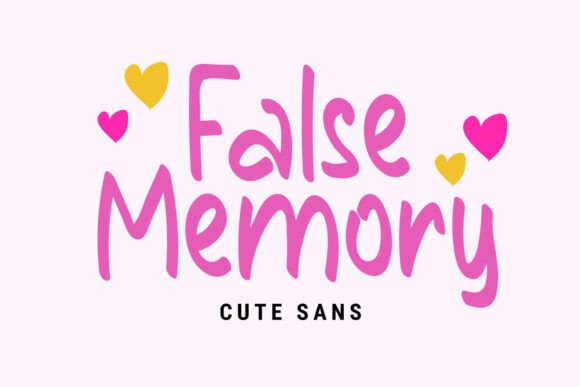
At its core, False Memory is a premium font with the soul of a handwritten letter. Its character stems from fluid, organic strokes that mimic the natural flow of a pen or brush. You’ll notice subtle variations in line weight, gentle curves, and just the right amount of imperfection. This isn’t a sterile, digitized script; it has personality. The baseline has a slight, natural bounce, and the letterforms connect in a way that feels spontaneous yet legible. It strikes a masterful balance—it’s playful enough for a child’s birthday party invitation, yet elegant enough for a high-end boutique’s logo. This versatility is its greatest strength.
Unlike a rigid serif font or a clean sans serif font, False Memory operates in the realm of emotion. It’s a display font at heart, meaning it’s designed to be used for headlines, logos, and short bursts of text where its unique character can shine. Think of it as the typeface equivalent of a charismatic friend who can light up a room. Its style is endearing, approachable, and inherently cheerful, making it a powerful tool for projects that need to connect on an emotional level.
Where False Memory Truly Shines: Practical Applications Across Mediums
The real test of any creative font is how it performs in the wild. False Memory excels in a wide array of real-world scenarios, proving its worth as a versatile component of a designer’s toolkit.
- Brand Identity & Logo Design: For small businesses, especially those in the lifestyle, wellness, artisan food, or boutique retail space, False Memory can become the cornerstone of a brand’s visual identity. It instantly communicates authenticity, care, and a personal touch. Paired with a simple sans serif font for body text, it creates a memorable and cohesive look.
- Wedding & Event Stationery: This is where False Memory feels most at home. Its handwritten font elegance is perfect for wedding invitations, save-the-dates, place cards, and thank-you notes. It adds that magical, heartfelt quality that makes such pieces keepsakes.
- Packaging & Editorial Design: Imagine this font on a jar of artisanal jam, a bag of specialty coffee, or the cover of a cookbook. It immediately tells a story of craftsmanship and care. In editorial design, it works wonderfully for pull quotes, chapter titles in lifestyle magazines, or blog post headers to draw readers in.
- Digital & Social Media: In the fast-paced world of web design and social media graphics, standing out is key. False Memory is perfect for Instagram story headers, Pinterest pin titles, website hero sections, and call-to-action buttons where you want to feel friendly and approachable rather than corporate.
- Personal & Craft Projects: From designing a family recipe book to creating custom wall art or personalized gifts, this font adds a layer of love and intention to any design project.
Integrating False Memory: A Designer’s Practical Guide
Choosing the right typeface is just the first step. Using it effectively is what separates good design from great design. Here’s how to think about incorporating False Memory into your workflow.
Evaluating Project Fit and Font Pairing
First, ask yourself: Does this project call for personality and warmth? If you’re designing a legal document or a technical manual, False Memory isn’t your tool. But if the goal is to evoke joy, nostalgia, or intimacy, it’s a strong candidate. The key to successful font pairing is contrast. Since False Memory is a detailed, expressive script, it needs a calm, neutral partner. A clean, geometric sans serif like Montserrat or a classic, readable serif like Lora creates a beautiful hierarchy. The script grabs attention for the headline, while the simpler font ensures body copy remains perfectly readable.
Legibility, Hierarchy, and Professional Polish
While beautiful, any script font requires careful consideration for readability. Avoid using False Memory for long paragraphs of text. Its magic is in short, impactful statements. Use it for your main headline, a logo, or a key quote, and let a more legible typeface handle the rest. This not only ensures your message is understood but also creates a clear visual hierarchy, guiding the viewer’s eye through your design. This thoughtful approach is what builds brand consistency and professionalism.
Understanding the Asset: Styles and Licensing
Before you purchase any commercial font, investigate what’s included. Does the False Memory family come with multiple weights or styles? Often, a premium font will include regular, bold, or even alternate characters and ligatures—special letter combinations that add more authenticity to the handwritten look. Always review the license. If you’re creating a product for sale (like merchandise or a digital template), you’ll need a commercial license. If it’s for a personal blog or a client’s internal use, the terms might differ. Respecting the font creator’s work is part of being a professional.
In the end, False Memory is more than just a collection of letters. It’s a design asset that carries emotion. It’s the digital equivalent of a beautifully penned note, ready to transform your next project from merely informative to genuinely memorable. Use it where you want to make a human connection, and let its charming character do the talking.