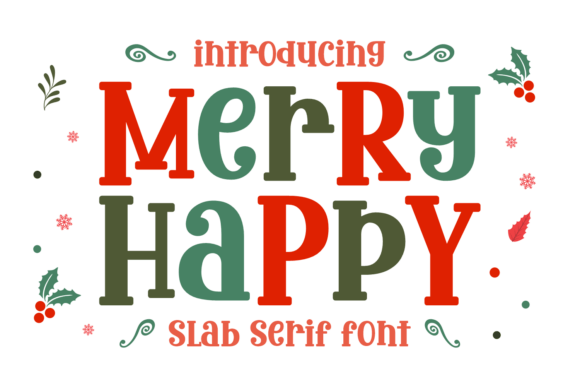
Merry Happy: A Slab Serif Font for Festive and Bold Designs
When a project calls for a dose of personality without sacrificing clarity, finding the right serif font can be a challenge. You want something with presence, but not so much that it overwhelms your message. This is where Merry Happy enters the conversation. It’s a premium font that feels like a celebration in letterform, designed to inject immediate warmth and confidence into your work.
Understanding the Visual Character of Merry Happy
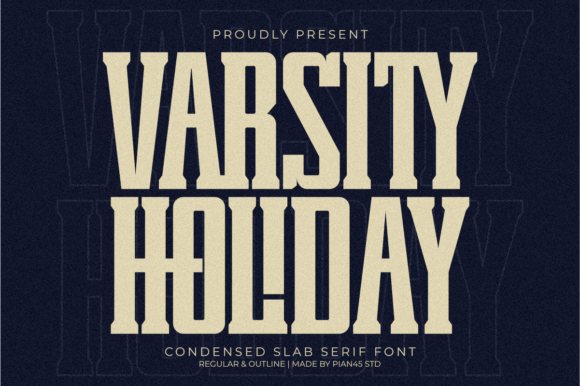
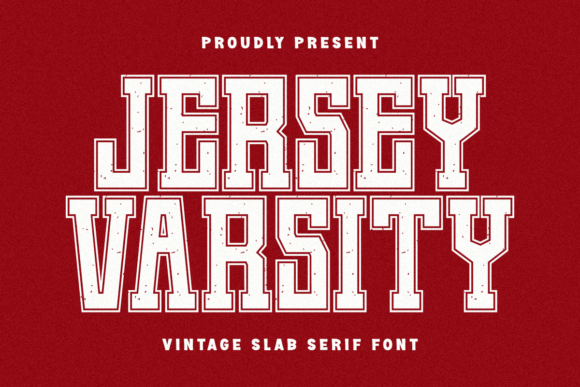
At its core, Merry Happy is a slab serif font, a category known for its sturdy, block-like serifs. What sets this typeface apart is how it balances that inherent sturdiness with a distinctly cheerful, approachable energy. The characters are broad and well-proportioned, giving them a solid foundation. The serifs themselves are assertive—they’re a defining feature, not an afterthought—but they’re crafted with a slight softness that prevents the font from feeling cold or overly industrial.
The overall personality is one of confident joy. It’s bold enough to command attention in a headline, yet friendly enough to feel welcoming on a product label. Think of it as the typographic equivalent of a warm, inviting smile paired with a firm handshake. This isn’t a font that whispers; it speaks clearly and with a positive, upbeat tone. Its visual weight makes it an excellent choice for creating strong visual hierarchy in editorial design or packaging design, where you need headings to pop and key information to be instantly recognizable.
Where Merry Happy Truly Shines: Practical Applications
The true test of any creative font is how it performs in real-world scenarios. Merry Happy demonstrates remarkable versatility, moving fluidly between different mediums and project types.
- Branding and Logo Design: For businesses that want to project a brand identity that is both professional and personable, this font is a strong contender. It works beautifully for logos, business cards, and letterheads, especially for brands in the food, lifestyle, family, or artisan sectors. Its distinctiveness aids in brand recognition.
- Marketing and Advertising: In the crowded space of social media graphics, email headers, and digital ads, Merry Happy helps your message stand out. Its boldness ensures readability even at smaller sizes in fast-scrolling environments, making it ideal for call-to-action text and key promotional messages.
- Publishing and Editorial: Use it for chapter titles, pull quotes, or section headers in magazines, books, and reports. It adds a layer of visual interest and breaks up body text effectively, improving the overall reading experience and guiding the reader’s eye.
- Product and Packaging Design: This is a natural fit. The font’s cheerful demeanor is perfect for product labels, hang tags, and boxes, particularly for items that are meant to evoke happiness, celebration, or comfort. It helps products jump off the shelf.
- Digital and Web Design: As a display font, it’s excellent for website hero sections, blog post titles, and button text. When paired thoughtfully with a clean sans serif font for body copy, it creates a dynamic and engaging font pairing that enhances user experience without compromising readability.
- Personal and Craft Projects: Don’t overlook its utility for more personal creations. Merry Happy brings a professional polish to greeting cards, wedding invitations, party banners, and scrapbooking layouts, turning personal projects into keepsakes.
Working with Merry Happy: A Designer’s Guide
Adopting a new display font into your toolkit requires some practical consideration. Here’s how to get the most out of Merry Happy.
Evaluate the Fit: Before you commit, consider your project’s tone. Is it celebratory, friendly, bold, or nostalgic? Merry Happy excels in contexts that lean into these qualities. For a corporate financial report, it might feel out of place. For a children’s book cover, a holiday campaign, or a bakery’s branding, it’s likely a perfect match.
Master the Pairing: The key to using a strong slab serif font is pairing it with a complementary typeface. For body text, choose a highly legible sans serif font like Open Sans or Lato, or a simple, classic serif font. The contrast will let Merry Happy shine in headlines without creating visual clutter. Avoid pairing it with another ornate script font or handwritten font, as this can lead to a chaotic and unreadable design.
Test for Readability: Always test your design at the intended size and on the intended medium. While it’s crafted for clarity, its broad characters need adequate spacing (tracking) to breathe, especially in all-caps settings. Check how it renders on both screens and in print, as color and texture can affect perception.
Review Included Styles: A quality commercial font often comes with multiple weights or styles. Check if Merry Happy includes a bold or italic variant. These can provide valuable flexibility within your design system, allowing for subtle emphasis without introducing a second typeface.
Understand the License: If you’re using this for client work, merchandise, or digital products, ensure you have the correct commercial font license. This is a non-negotiable step for professional designers and businesses to avoid legal issues down the line.
Integrating a creative font like Merry Happy is about adding a new voice to your typographic vocabulary. It’s a design asset that doesn’t just display words; it conveys an emotion. By applying it thoughtfully to the right projects, you can create designs that are not only visually striking but also genuinely engaging, making every project feel a little more, well, merry and happy.