Archides: Channel Ancient Greek Power in Your Designs
Why This Typeface Commands Attention
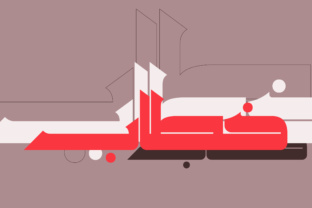
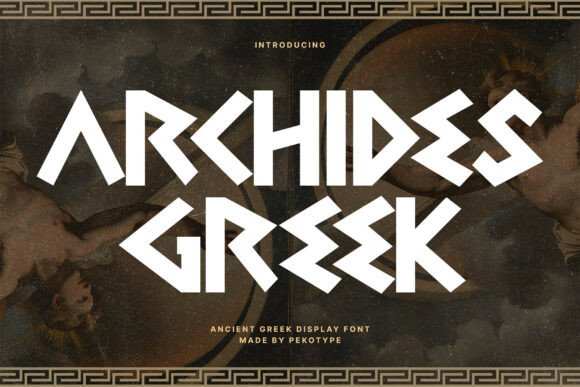
There’s a certain weight to classical architecture—the kind of solidity you feel standing in front of the Parthenon or tracing the lines of an ancient column. Archides captures that feeling in letterform. This isn’t just another decorative font; it’s a carefully researched ethnic display typeface that draws directly from the geometric rigor and artistic sophistication of Hellenic lettering traditions.
What makes Archides stand apart from generic "ancient-looking" fonts is its authenticity. Every glyph reflects the proportional systems the Greeks perfected—the interplay of thick and thin strokes, the subtle angularity that gives each letter a sense of carved permanence. Yet it avoids the trap of looking dusty or outdated. The design feels contemporary enough to work in modern contexts while preserving that unmistakable classical character.
When you set a headline in Archides, the visual impact is immediate. The letterforms carry a natural authority, a sense of heritage and endurance that softer, more casual typefaces simply cannot achieve. It’s the kind of font that makes people pause and take notice—which is exactly what you need from a display typeface.
Where Archides Truly Shines
Not every font suits every project, and that’s worth acknowledging honestly. Archides is a premium font built for specific visual contexts where strength, drama, and cultural resonance matter. Think about the projects where you need typography to do more than just communicate words—where it needs to set a mood, establish credibility, or transport your audience somewhere specific.
Branding and Logo Design
For brands that want to convey legacy, craftsmanship, or intellectual depth, Archides offers a compelling foundation. A craft brewery with a classical theme, an educational institution, a luxury goods company, or a consulting firm emphasizing strategic wisdom—these are contexts where the font’s personality aligns naturally with brand values. In logo design, Archides works particularly well as a wordmark or as a supporting element paired with a simpler sans serif font for body text.
Entertainment and Media
Game studios developing titles set in mythological worlds, film production houses working on historical epics, or podcast creators covering ancient history—all benefit from a typeface that immediately signals the subject matter. Movie posters, game title screens, book covers in the historical fiction or fantasy genres: these are natural homes for Archides. The font does significant atmospheric work before anyone reads a single word of your copy.
Editorial and Publishing
Magazine feature headers, chapter openers in nonfiction books, and special edition covers gain gravitas from this typeface. If you’re working on editorial design for a publication covering architecture, history, philosophy, or the arts, Archides can anchor your visual hierarchy with distinction. Pair it with a clean serif font or modern typography body copy for a balanced reading experience.
Digital and Social Media
Here’s where many designers hesitate—can a classical display font work in fast-scrolling digital environments? Absolutely, when used strategically. Instagram carousel headers, YouTube thumbnails, website hero sections, and social media graphics promoting events, launches, or themed content all benefit from the instant recognition Archides provides. The key is restraint: use it for headlines and focal points, not extended paragraphs.
Packaging and Promotional Materials
Product labels for artisan goods, event invitations for formal occasions, packaging design for premium products, and promotional posters gain a layer of sophistication through this typeface. Wine labels, olive oil branding, specialty food products with Mediterranean connections—these applications feel almost tailor-made for Archides.
Practical Considerations for Working With Archides
Choosing a creative font is only the first step. Using it effectively requires thoughtful implementation. Here are some practical observations from a design perspective.
Font Pairing Strategy
Archides demands a complementary partner. Because it carries so much visual personality, pairing it with another expressive typeface creates chaos rather than cohesion. Instead, reach for restraint in your secondary choices. A geometric sans serif font like Montserrat or Futura creates clean contrast. A transitional serif font like Georgia or Minion Pro offers a more traditional pairing. Avoid script fonts or handwritten fonts alongside Archides—the stylistic conflict undermines both typefaces.
Readability and Hierarchy
Display fonts live and die by context. Archides performs beautifully at larger sizes—think headlines, subheadings, pull quotes, and callout text. At smaller sizes, the geometric details that give it character can become muddy. Respect the font’s nature: let it dominate the visual hierarchy at scale, and delegate body copy responsibilities to a more legible companion. This approach strengthens your overall visual hierarchy rather than weakening it.
Evaluating Project Fit
Before committing to Archides, ask yourself a straightforward question: does the emotional tone of this font match the message I’m sending? If your project emphasizes innovation, minimalism, or playful energy, this probably isn’t the right choice. But if you’re communicating tradition, authority, cultural depth, or epic scope, few typefaces deliver those qualities as convincingly.
Testing Before Committing
Any reputable commercial font should be tested in context before purchase. Set your actual headlines, not just sample text. View the font at the sizes you’ll actually use. Check how it renders on screen and in print if your project spans both mediums. Look at the full character set—does it include the punctuation, numerals, and language support your project requires? These practical checks save headaches later.
Licensing and Usage Rights
Understanding font licensing protects both your project and your budget. Most premium font licenses distinguish between desktop use, web use, and application embedding. If you’re designing brand identity materials for a client, confirm the license covers commercial distribution. For web design projects, verify the font includes webfont formats like WOFF and WOFF2. Read the license terms carefully—reputable foundries provide clear documentation.
Building a Cohesive Design System
When you integrate Archides into a broader design assets library, think systematically. Document where and how the font should appear across all brand touchpoints—website headers, print materials, social templates, presentation decks. Consistency in typeface application reinforces brand identity and builds audience recognition over time. The font becomes part of your visual language, not just a decorative choice.
Archides offers something genuinely specific in a market saturated with interchangeable options. It doesn’t try to be everything to everyone—and that specificity is its greatest strength. When the project calls for classical authority and visual distinction, this typeface delivers with confidence and craft.