Khetab - Arabic: Bridging Ancient Geometry with Modern Design
In the world of typography, finding a font that respects tradition while embracing modern aesthetics can feel like searching for a needle in a haystack. When we look at the Arabic script, this challenge is even more pronounced due to the fluid, cursive nature of the writing system. Enter Khetab - Arabic, a typeface that manages to bridge this gap with striking precision. It isn't just another premium font; it is a carefully crafted tool that brings the stoic beauty of ancient Kufic writings into the fast-paced world of contemporary web design and brand identity.
The name itself, Khetab, translates to "Speech" in Arabic. This choice of name is fitting because the font speaks volumes before you even read the letters. It carries a visual weight and authority that commands attention, making it an exceptional choice for display font applications where first impressions are everything.
The Anatomy of Khetab: Sharp, Wide, and Rounded
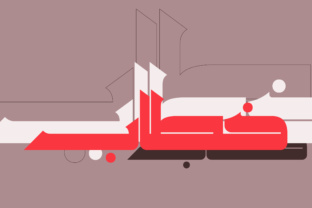
What makes Khetab - Arabic stand out in a crowded marketplace of design assets is its geometric foundation. Unlike traditional serif fonts or loose handwritten fonts, Khetab is built on a grid of angles and straight lines, paying homage to the Kufic style known for its angularity. However, it softens the rigidity often associated with that historical style. The result is a typeface that feels structural yet approachable.
The real versatility of this creative font lies in its three distinct styles: Sharp, Wide, and Rounded. Each style alters the personality of the font slightly, allowing you to tailor your message to specific contexts.
- The Sharp Style: This is the most aggressive of the three. It features crisp corners and decisive angles. It works best when you want to convey authority, technology, or architectural precision. If you are designing for a fintech startup or a modern engineering firm, the Sharp style anchors the logo design with stability.
- The Wide Style: Offering a sense of luxury and space, the Wide style stretches the characters, creating a more open and airy feel. This is perfect for high-end packaging design or magazine covers where you want the text to breathe and exude sophistication.
- The Rounded Style: By softening the edges, this style introduces warmth. It retains the geometric structure but feels much friendlier. It is an excellent choice for lifestyle brands, children’s educational materials, or any project that requires a human touch without losing the font's structural integrity.
Practical Applications: Where Khetab Truly Shines
Understanding where to deploy Khetab - Arabic is key to maximizing its potential. Because it is fundamentally a display font, it thrives in environments where large text is required. Think headlines, hero sections on websites, and signage. It is not designed for long-form body text like a standard sans serif font might be; rather, it is designed to capture the essence of the content in a few impactful words.
Branding and Identity
For entrepreneurs and designers working on brand identity, Khetab offers a unique value proposition. Many Arabic logos suffer from looking either too traditional (and thus dated) or too Westernized (losing cultural roots). Khetab solves this by providing a modern, global look that is undeniably Arabic. It works beautifully for branding in the Middle East, but its geometric nature also allows it to fit seamlessly into international markets. Whether you are creating a logo for a coffee shop, a tech incubator, or a fashion label, the three styles give you enough range to define the brand voice accurately.
Editorial and Publication Design
In editorial design, hierarchy is everything. Khetab - Arabic excels at creating a strong visual hierarchy. Imagine a magazine spread where the main headline uses the Sharp style in a heavy weight, pulling the reader in with its bold geometry. The subheadings could utilize the Wide style to provide contrast and spacing. This interplay between styles within the same typeface family ensures consistency while maintaining visual interest, a crucial aspect of professional publication design.
Digital Presence and Social Media
The digital realm demands legibility at various resolutions, and Khetab delivers. Its clear, geometric shapes ensure that text remains readable even on smaller mobile screens, provided it is used for headers and UI elements. For social media graphics, where you have only a split second to stop a user from scrolling, the bold nature of Khetab is a significant advantage. It creates high-contrast visuals that pop against busy backgrounds or photographs.
Strategic Typography: Influence on Perception and Engagement
Typography is rarely just about aesthetics; it is about psychology. The typeface you choose directly influences how your audience perceives your brand. Khetab - Arabic projects a sense of professionalism and forward-thinking design. Because it draws from Kufic roots—historically used for Qur'anic inscriptions and architectural decoration—it carries an inherent dignity. When applied to modern contexts, this dignity translates into trust and brand perception.
Consider the concept of font pairing. Khetab is a strong personality, so it needs a partner that supports rather than competes. It pairs exceptionally well with neutral sans serif fonts for body text. The geometric nature of Khetab complements clean, sans-serif lines, creating a balanced layout. If you are working on a bilingual project, pairing Khetab with a Latin serif font can create a sophisticated, editorial look, provided the x-heights and visual weights are balanced correctly.
Furthermore, using a distinct typeface like Khetab aids in recognition. In a sea of generic typography, a unique font helps your audience identify your content instantly. This is vital for content creators and marketers looking to build a loyal following. Consistency in typography builds a visual memory for your audience, which is a cornerstone of successful modern typography strategy.
Evaluating the Fit and Making the Choice
Before integrating Khetab - Arabic into your workflow, it is helpful to evaluate the specific needs of your project. As a commercial font, it is an investment in your design toolkit. Here is a practical checklist for designers and business owners:
- Assess the Tone: Does your brand voice lean towards the authoritative (Sharp), the luxurious (Wide), or the approachable (Rounded)? If your brand is versatile, having access to all three styles offers immense flexibility.
- Test for Readability: While Khetab is legible, always test it in the specific context where it will be used. View a mockup of your web design or print layout at 100% zoom. Ensure that the spacing (kerning and tracking) feels comfortable for the eyes.
- Review Licensing: Ensure the commercial font license covers your intended usage, whether it is for a single client project, a SaaS product, or physical merchandise.
- Prototype Pairings: Don't just guess. Create a few quick layouts testing Khetab against your current body text font. Look for a contrast in style but a harmony in mood.
Khetab - Arabic is more than just a collection of vectors; it is a bridge between history and the future. For the designer, the entrepreneur, and the publisher, it offers a way to communicate with clarity, beauty, and a distinct geometric flair. By understanding its styles and applying it strategically, you can elevate your projects from simple text arrangements to powerful visual statements.