Calendar 2026: The Sleek Display Font for Modern Design
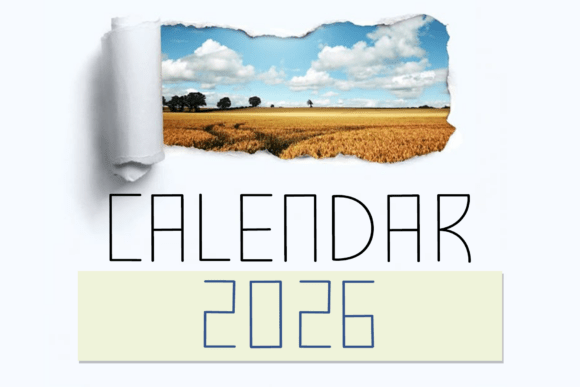
Finding the right typeface is often the bridge between a good idea and a polished final product. Calendar 2026 steps into that space with a distinct point of view. This is a display font built on a foundation of clarity and contemporary structure. It doesn't scream for attention with ornate details; instead, it commands it through disciplined geometry and a refined, technical presence. Think of it as the architectural blueprint of a typeface—clean, intentional, and built for a specific purpose.
At its core, Calendar 2026 is defined by its exceptionally tall and narrow letterforms. Each character is drawn with a fine, monolinear stroke weight, meaning the line thickness remains consistent throughout. This creates a uniform, almost wireframe-like appearance. The character joins are sharp and geometric, and the generous internal white space gives the text an airy, breathable quality. This combination results in a visual rhythm that feels organized, professional, and decisively modern. It’s a typeface that communicates precision without feeling cold.
Where This Typeface Truly Shines
The strength of Calendar 2026 lies in its specialization. It’s not the font you’d choose for running body text in a novel. Its personality is perfectly suited for projects where a headline needs to make a clear, sophisticated statement. For architectural title blocks, technical manuals, or engineering schematics, it feels right at home, echoing the precision of the content itself.
In branding, this font is a powerful tool for companies in the tech, SaaS, finance, or luxury sectors. It helps craft a brand identity that is forward-thinking, intelligent, and trustworthy. A logo set in Calendar 2026 immediately signals a focus on innovation and clean design. It’s equally effective in minimalist editorial layouts—think magazine headers, report covers, and book titles where you want the typography to feel like part of the curated content, not just a label for it.
Digital applications are a natural fit. Use it for sophisticated digital headers on websites, in app interfaces, or as a standout font for key sections in a pitch deck. Its narrow width also makes it practical for situations where horizontal space is limited, like in social media graphics or dashboard titles. For packaging design on high-end electronics, minimalist cosmetics, or artisanal goods, it adds a layer of modern elegance.
Making It Work: Practical Application Tips
Choosing Calendar 2026 is a strategic decision. Here’s how to approach it for real-world projects.
Evaluate the Project Fit: Ask yourself if your project’s tone aligns with the font’s personality. Is it sleek, technical, modern, and minimalist? If you’re designing for a vintage bakery, it’s probably not the right match. If you’re creating a brand for a new productivity app or a design studio, it’s a strong contender.
Master the Font Pairing: As a display font, Calendar 2026 works best when paired with a highly readable serif font or a clean sans serif font for body copy. The contrast is key. Pair its tall, narrow forms with a more conventional, readable typeface like a classic Garamond or a friendly humanist sans serif. This creates a clear visual hierarchy—Calendar 2026 grabs attention for headlines, while the paired font handles the detailed information comfortably.
Test Readability and Scale: Because of its fine strokes and narrow forms, test the font at the size you intend to use it. At very small sizes, some of the geometric details might become hard to read. It excels at larger scales for headers, titles, and single words. For longer subheadings, ensure there’s enough tracking (letter-spacing) to maintain legibility.
Review the Included Styles: Check what comes with the font family. Does it include multiple weights or stylistic alternates? Even with a minimalist typeface, having options like a regular, light, or bold weight can provide flexibility for creating emphasis and hierarchy within your designs.
Understand the License: As a premium font, confirm the licensing terms fit your needs. Whether it’s for a single client project, unlimited commercial use, or a specific number of digital installations, ensure the license covers all your intended applications, especially for web design or social media graphics that will be widely distributed.
Final Thoughts on a Modern Design Asset
Calendar 2026 is more than just a collection of letters; it’s a design asset with a clear point of view. It’s for the designer, marketer, or entrepreneur who understands that typography is a voice. This voice is articulate, confident, and contemporary. By using it intentionally—where its strengths are amplified and its limitations are considered—you can leverage its unique character to elevate your work, enhance brand perception, and engage an audience that appreciates clarity and modern typography.