Ganboy: The Bold Display Typeface for Authentic Projects
When you're building a brand or launching a new product, the typeface you choose does more than just spell out words—it sets a mood, establishes credibility, and tells a story before a single sentence is read. Enter Ganboy, a display typeface that carries a distinct weight and character. It isn’t trying to be a quiet, invisible vessel for text; it is designed to be seen. If you have been searching for a premium font that balances boldness with authenticity, understanding how to wield a typeface like Ganboy can significantly elevate your visual communication.
The Anatomy of Authenticity
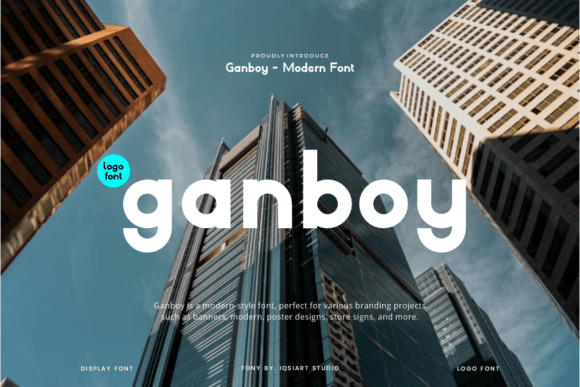
Ganboy is categorized as a display font, which means it is optimized for impact rather than long-form reading. Its visual characteristics are defined by strong, confident strokes and a personality that feels grounded and genuine. Unlike the delicate serifs of classic editorial design or the clean neutrality of a corporate sans serif font, Ganboy occupies a space that feels modern yet timeless. It doesn’t rely on excessive ornamentation. Instead, its appeal lies in its structure—letters that are well-defined, sturdy, and capable of anchoring a design layout.
For designers and creators, this "authentic" quality is vital. We are moving away from the overly polished, sterile aesthetics of the past decade toward visuals that feel more human and relatable. Ganboy fits perfectly into this shift. It offers the legibility required for professional brand identity work while maintaining an edge that prevents it from looking generic. Whether you are a small business owner designing your first logo or a seasoned marketer refreshing a campaign, the font provides a solid foundation that commands attention without shouting.
Strategic Applications: From Packaging to Pixels
Knowing a font looks good is one thing; knowing where to use it is where the real strategy comes in. Because Ganboy is versatile, it serves a wide array of applications across digital and print mediums.
Brand Identity and Logo Design
The most immediate use for a typeface like Ganboy is in logo design. A logo needs to be scalable and recognizable. Ganboy’s distinct shape ensures that it remains legible when scaled down for a business card or blown up for a storefront sign. It projects stability, making it an excellent choice for brands that want to be perceived as reliable and established. When used as the primary logotype, it instantly gives the brand a voice that is confident and clear.
Packaging and Physical Products
In packaging design, shelf appeal is everything. Consumers make split-second decisions based on visual hierarchy. Using Ganboy for the product name or headline on packaging creates an immediate focal point. Imagine a coffee bag, a craft beer label, or a line of artisanal cosmetics; the bold nature of the font suggests quality and substance. It pairs exceptionally well with textured backgrounds or minimalist layouts where the typography does the heavy lifting.
Digital Presence and Web Design
On the web, hierarchy guides the user’s eye. In web design, Ganboy is ideal for H1 headers, hero sections, and call-to-action buttons. It breaks up the monotony of body text and draws the reader into the content. However, because it is a display typeface, it should generally be reserved for headlines or short bursts of text rather than paragraph content, ensuring optimal readability.
Social Media and Content Creation
For bloggers, content creators, and marketers, social media graphics are a daily necessity. The scroll-stopping power of a bold font cannot be overstated. Whether you are creating an Instagram quote graphic, a Pinterest pin, or a YouTube thumbnail, Ganboy provides the visual weight needed to stand out in a crowded feed. It helps maintain brand consistency across platforms, ensuring that your content is recognizable even without your logo attached.
Mastering Font Pairing and Hierarchy
Using a bold display font effectively often comes down to contrast. Font pairing is the art of combining two typefaces to create a harmonious balance. Because Ganboy has a strong personality, it benefits from a partner that is more subdued.
A common and effective strategy is to pair Ganboy with a clean, geometric sans serif font for body copy. The neutrality of the sans serif allows Ganboy’s character to shine without competing for attention. Alternatively, for a more editorial or sophisticated vibe, you might pair it with a classic serif font. This contrast between the modern boldness of Ganboy and the traditional elegance of a serif creates a dynamic visual tension that looks professional and curated.
Avoid pairing it with other decorative styles like a script font or a handwritten font. Too many "loud" voices in a design can create chaos, making the text difficult to read and the message unclear. The goal of modern typography is clarity; let Ganboy be the lead vocalist, and let your secondary font be the rhythm section.
Practical Considerations for Creators
When you acquire a new design asset like Ganboy, it is important to understand what you are working with. The package typically includes industry-standard formats—.OTF (OpenType) and .TTF (TrueType)—ensuring compatibility across major operating systems and design software like Adobe Creative Suite, Canva, and Figma.
Before finalizing a project, always test the font in context. Look at the kerning (the space between letters) in your specific headline. Sometimes, adjusting the tracking slightly can make a bold font breathe better within a layout. Consider the medium: a font that looks sharp on a high-resolution screen might need slight adjustments in weight or size to hold up in print, where ink can sometimes bleed slightly into paper fibers.
For entrepreneurs and hobbyists alike, investing in a commercial font is an investment in professionalism. Free fonts often come with licensing restrictions or lack the technical refinement found in premium typefaces. By choosing a polished typeface like Ganboy, you ensure that your creative font choice supports your commercial goals without legal ambiguity or visual inconsistency.
Ultimately, Ganboy is more than just a collection of vector paths; it is a tool for expression. It allows you to articulate your brand’s voice with clarity and style, whether you are designing a pitch deck, a t-shirt, or a website header. By leveraging its bold aesthetic and pairing it thoughtfully, you can create designs that are not only beautiful but deeply effective.