Orlithé: A Typeface for Modern Elegance
In the vast landscape of modern typography, finding a font that balances clean professionalism with a distinct personality can feel like searching for a needle in a haystack. Many sans serif font options are either too sterile or too quirky, leaving a gap for projects that demand both clarity and sophistication. This is precisely the space Orlithé was designed to occupy. As a premium font, it offers more than just letters; it provides a foundation for visual storytelling that feels contemporary, refined, and intentionally crafted.
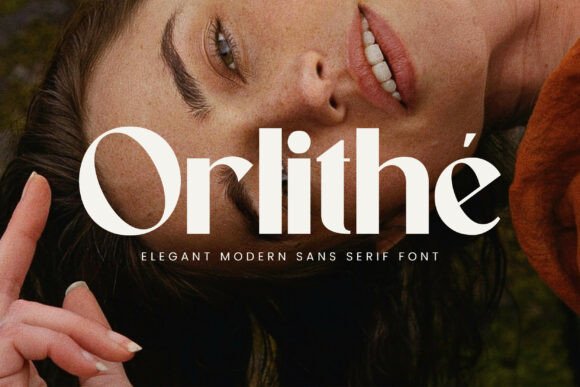
What sets Orlithé apart is its meticulous attention to detail. Each character is built with smooth curves and balanced proportions, creating a rhythm that is pleasing to the eye. The letterforms have a subtle, stylish contrast that adds depth without complicating the design. It’s this careful craftsmanship that allows Orlithé to function beautifully in large, impactful headlines while maintaining its elegance in minimalist layouts. It’s a creative font that understands the need for versatility in today’s multi-platform world.
Where Orlithé Finds Its Voice
Understanding where a font excels is key to using it effectively. Orlithé isn’t a one-size-fits-all solution, but it shines in contexts where a modern, luxurious, and trustworthy feel is required. Its strength lies in its ability to elevate a design without overwhelming it.
For brand identity and logo design, Orlithé is a powerful ally. Its clean lines and contemporary aesthetic make it ideal for brands in the fashion, beauty, technology, and luxury lifestyle sectors. It communicates quality and attention to detail, which directly influences how an audience perceives a brand’s professionalism and value. When used for a logo, it provides a solid, recognizable mark that feels both current and timeless.
In editorial design and packaging design, the font’s clarity and elegance are major assets. For magazines, lookbooks, or high-end product packaging, Orlithé helps establish a clear visual hierarchy. Its various weights can guide the reader’s eye from a striking headline to supporting body text, ensuring the message is communicated effectively. The font’s personality supports a narrative of quality and sophistication, which is crucial for publications and products aiming at a discerning market.
Digital applications are where Orlithé’s modern roots truly show. For web design, it offers excellent readability across screen sizes. Its open letterforms and thoughtful spacing reduce eye strain, making it a practical choice for user interfaces, blog headers, and website copy. Similarly, for social media graphics, its clean presence ensures that text remains legible and impactful, even in a fast-scrolling feed. It helps content creators and marketers maintain a consistent, professional look across all their digital touchpoints.
Making Orlithé Work in Your Projects
Choosing the right font is only half the battle; knowing how to implement it is what brings a design to life. When considering Orlithé for a project, start by evaluating the core message and audience. Its personality is refined and modern, so it pairs exceptionally well with other design elements that share a similar sensibility. It might not be the best fit for a playful, child-centric brand, but it’s perfect for a tech startup, a boutique agency, or a personal blog focused on design and culture.
One of the most valuable aspects of a display font like Orlithé is its pairing potential. To create a robust typographic system, consider pairing it with a complementary serif font for body text. A classic serif can add a touch of traditional authority, creating a dynamic contrast that is both engaging and easy to read. Alternatively, for a fully modern stack, pairing it with a clean, neutral sans serif can create a minimalist and cohesive feel. Always test font pairings in context—see how they look at different sizes and in the actual layout of your project.
Before finalizing, take time to review all the styles and weights included with Orlithé. A comprehensive commercial font family often includes a range from light to bold, and sometimes even italic variants. Using these strategically is key to establishing hierarchy. Use a bold weight for main headlines to grab attention, a regular weight for subheadings, and a lighter weight for pull quotes or captions. This creates a structured and intentional flow that enhances the reader’s experience.
Finally, always consider the practicalities of licensing. For any commercial project—whether it’s a client’s logo, a product package, or a paid publication—ensuring you have the proper commercial font license is non-negotiable. This protects both you and your client and is a fundamental part of professional design practice. Orlithé, as a professional design asset, is built for these applications, providing the quality and legal assurance needed for serious work.
In the end, a typeface like Orlithé is more than a set of characters. It’s a tool for building perception. Its blend of modern elegance and functional clarity makes it a valuable addition to any designer’s toolkit, offering a reliable way to inject sophistication and coherence into a wide range of creative projects. Whether you’re crafting a new brand from the ground up or refreshing an existing identity, its thoughtful design provides a strong and versatile starting point.