Happy Valentine: A Handwritten Font That Feels Like a Warm Hug
There are fonts that command attention through sheer boldness, and then there are fonts that invite you in with a friendly smile. Happy Valentine is unequivocally in the latter camp. This isn't a typeface that shouts; it converses. As a meticulously crafted handwritten display font, its purpose is singular and clear: to inject genuine warmth, personality, and a touch of whimsy into your creative work. Think of it as the typographic equivalent of a heartfelt, hand-written note in a world of printed correspondence—it immediately feels more personal, more considered, and more human.
The Visual Personality: More Than Just Loopy Letters
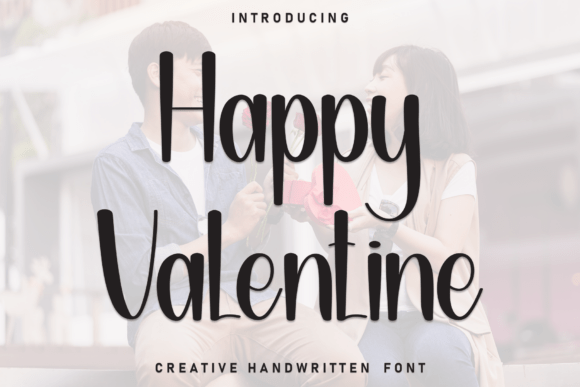
At first glance, Happy Valentine presents a playful yet chic aesthetic. Its letterforms are based on natural, flowing handwriting, but with a level of polish and consistency that elevates it beyond a simple casual script. You’ll notice the subtle variations in stroke weight, mimicking the pressure of a pen on paper, which gives the text a dynamic, organic rhythm. The connections between letters are fluid, avoiding the rigid, mechanical feel of many script fonts. This creates a sense of effortless elegance. It’s charismatic without being overbearing, friendly without sacrificing legibility—a balance that’s surprisingly difficult to achieve in type design. The overall demeanor is one of approachable sophistication, making it a versatile asset for projects that need to feel both special and sincere.
Where This Font Truly Shines: Practical Applications
Understanding a font’s personality is one thing; knowing where to deploy it is where the real value lies. Happy Valentine excels in contexts where emotional connection and a personal touch are paramount. Its strengths are most evident in projects that aim to delight and engage on a human level.
- Wedding & Event Stationery: This is its natural habitat. For wedding invitations, save-the-dates, RSVP cards, and envelope addressing, Happy Valentine sets a tone of romantic joy and bespoke craftsmanship. It communicates the care and attention poured into the event itself, long before a guest arrives.
- Branding for Boutiques & Creatives: Imagine a local bakery, a florist, a boutique clothing line, or an artisan’s logo. Using this handwritten font in their logo design, packaging, or menu design can instantly convey artisanal quality, personal service, and a story behind the brand. It helps build a brand identity that feels authentic and memorable.
- Marketing & Social Media: In the crowded digital space, Happy Valentine can be a secret weapon. For social media graphics, quote cards, promotional banners, or email headers, it cuts through the noise of sterile sans serif fonts. It’s perfect for calls-to-action that need to feel inviting rather than demanding, or for adding a personal signature to a brand’s visual voice.
- Publishing & Editorial Design: While not a body text workhorse, it’s a powerhouse for editorial design. Use it for magazine pull quotes, chapter titles in a lifestyle book, blog post headers, or the title treatment on a cookbook cover. It adds a layer of personality and warmth that draws readers into the content.
- Personal & Hobbyist Projects: For crafters, bloggers, and hobbyists, this font is a joy. It’s ideal for creating custom greeting cards, scrapbook layouts, printable wall art, or personalized gifts. Its accessible charm makes any DIY project look professionally designed.
The Strategic Impact: Beyond Aesthetics
Choosing a typeface like Happy Valentine is a strategic design decision that influences how your audience perceives and interacts with your work. Its impact extends across several key areas of visual communication.
First, it directly affects audience engagement. Handwritten fonts trigger a psychological response; they feel personal and intimate. A header set in Happy Valentine can make a website visitor feel like they’re receiving a personal note, increasing the likelihood they’ll read on. In marketing, this translates to higher click-through rates and more positive brand association.
Second, it plays a crucial role in visual hierarchy and readability—but with an important caveat. As a display font, its primary role is for headlines, titles, and short bursts of impactful text. Using it for long paragraphs would sacrifice readability. Its strength lies in creating a striking contrast when paired with a clean, neutral serif font or sans serif font for body copy. This pairing establishes a clear hierarchy: the whimsical, eye-catching Happy Valentine for emotional hooks, and a highly legible typeface for the detailed information.
Finally, it contributes to brand recognition and consistency. When used consistently across touchpoints—from a website’s main headline to packaging labels and social media profiles—it becomes a recognizable signature. This consistency builds trust and professionalism. It tells your audience that every detail has been considered, reinforcing a cohesive and thoughtful brand identity. The key is to use it purposefully and sparingly, ensuring its charm doesn’t dilute its impact.
A Practical Guide to Using Happy Valentine
Ready to put this font to work? Here’s some actionable advice to ensure you get the most out of it.
- Evaluate Project Fit: Before you download, ask: Does my project need to convey warmth, personality, or celebration? If the answer is yes, it’s a strong candidate. If you’re designing a financial report or a legal document, it’s best to keep looking.
- Test Font Pairings Vigorously: The magic often happens in combination. Try pairing Happy Valentine with a geometric sans serif like Montserrat for a modern, friendly contrast. For a more classic, elegant feel, pair it with a transitional serif font like Lora. Always test the pairing at the size it will be used to check for visual balance and tonal harmony.
- Review the Included Styles: Check what’s in the package. A premium font often includes stylistic alternates, swashes, or ligatures. These are alternate character designs that can add even more flair and uniqueness to your text. Knowing how to access them (usually in the OpenType panel of your design software) is key to unlocking the font’s full potential.
- Conduct a Readability Check: Always preview your text at its intended size and in its intended context. A script that looks beautiful on a large invitation headline might become an unreadable squiggle as a small website button. Ensure the letter spacing and word spacing are comfortable for the eye.
- Understand Commercial Licensing: If you’re using Happy Valentine for client work, products for sale, or widespread digital distribution, you must ensure you have the correct commercial license. This is non-negotiable for professional and ethical use. Most reputable font foundries make this information clear on their purchase pages.
In the vast landscape of modern typography, finding a font that balances whimsy with sophistication is a rare find. Happy Valentine is that font—a delightfully charming and personable tool designed to breathe life into invitations, cards, and creative projects. It’s more than just a set of letters; it’s a design asset that helps you tell a warmer, more engaging story. Use it wisely, pair it thoughtfully, and let it add that essential dash of human connection to your next project.