Why the Furniture Font Feels Like a Friend's Handwriting
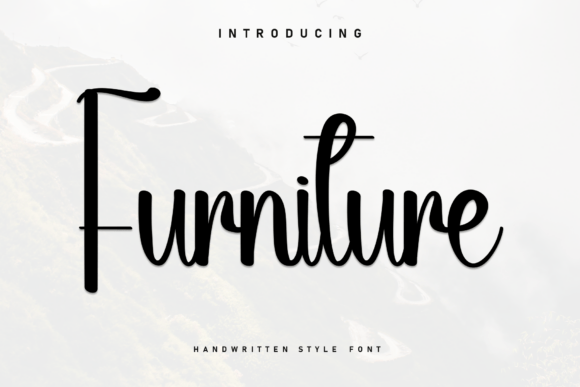
You know that feeling when you see a brand that just feels approachable? Like it’s not trying too hard, but it’s still polished? That’s the energy Furniture, a handwritten font, brings to a project. It’s not a stiff, formal script. Instead, it’s the kind of typeface that looks like it was quickly sketched with a confident marker, giving your designs a relaxed, sporty, and authentically human touch.
This isn’t just another script font. Furniture has a unique personality. Its strokes have a slight, intentional roughness that mimics the texture of a marker on paper. The letterforms are connected in a way that feels natural, not overly perfect or calligraphic. This creates a vibe that is both casual and luxurious at the same time. It’s the perfect balance for projects that need to feel high-end but also relatable and modern.
Where This Handwritten Font Truly Shines
The real magic of a font like Furniture is its versatility in application. It’s a premium font that works exceptionally well in specific niches where personality and warmth are key.
For branding and logo design, Furniture is a standout choice. Imagine a boutique coffee roaster, a sustainable clothing line, or a local yoga studio. Using this font for the logo or brand name instantly communicates craft, care, and a personal touch. It tells customers there’s a real person behind the business, which builds trust. It’s far more distinctive than a generic sans serif font and more approachable than a formal serif font.
In the world of packaging design, especially for artisanal goods, cosmetics, or gourmet foods, Furniture adds that crucial layer of perceived quality. It works beautifully on labels, boxes, and tags, suggesting the product inside was made with attention to detail. Paired with a clean, simple layout, it creates a stunning visual hierarchy where the product name pops with character.
For editorial design and publishing, think beyond the body text. Furniture is ideal for headlines in lifestyle magazines, chapter titles in a cookbook, or pull quotes in a blog post. It breaks up the monotony of standard typography, drawing the reader’s eye and adding a dynamic, personal voice to the page. It’s a fantastic tool for web design too—use it for hero section headings, call-to-action buttons, or special announcement banners to inject immediate personality.
The Strategic Impact on Your Brand’s Perception
Choosing a typeface is a strategic decision, not just an aesthetic one. The font you select directly influences how your audience perceives your brand. Furniture, as a creative font, leans into a perception of authenticity and approachability. It suggests a brand that is confident, creative, and values a human connection. This can be incredibly powerful for brand identity, helping you stand out in a sea of corporate-looking competitors.
However, this personality comes with a responsibility. As a display font, Furniture is built for impact, not for long paragraphs of reading. Its strength is in headlines, logos, and short, punchy text. Using it for body copy would quickly lead to eye strain. The key to professional modern typography is pairing. Combine Furniture with a highly legible sans serif font for your body text. This creates a beautiful contrast: the handwritten font provides the flair and personality, while the sans serif ensures readability and clarity.
Consistency is another major benefit. When you find a font that perfectly captures your brand’s voice, using it consistently across all touchpoints—from your social media graphics and email newsletters to your website and printed materials—builds instant recognition. Your audience will start to associate that unique, marker-style script with your specific brand experience.
Practical Tips for Using Furniture Effectively
Before you dive in, here’s how to make the most of this font.
- Test for Fit: Always mock it up. Place the font on your actual project—a business card layout, a website header, a product label. Does it feel right? Does it communicate the intended mood? Its sporty, relaxed vibe might not suit a law firm, but it’s perfect for a fitness brand or a creative agency.
- Master the Pairing: This is non-negotiable. Find a sturdy, neutral companion. A geometric or humanist sans serif font like Lato, Open Sans, or Montserrat often makes an excellent partner. The contrast in style will make both fonts look better and ensure your design is both beautiful and functional.
- Explore the Styles: Check what’s included with the font family. Does it have alternate characters, ligatures, or multiple weights? These extras give you more flexibility to customize the look and avoid repetition in longer words or headlines, making your text feel even more unique.
- Check the License: If you’re using it for a commercial project—which includes anything for a client or a business you own—ensure you have the correct commercial font license. This is a standard part of using professional design assets.
Ultimately, Furniture is more than just a handwritten font