Magdalia: A Vintage Script Font for Modern Brands
Finding a typeface that carries weight, character, and a sense of history is a challenge many designers and business owners face. You want something that feels established, not generic. Something with personality, but not so much that it overwhelms your message. This is where Magdalia enters the conversation. It's a vintage display script font designed to bridge the gap between retro charm and contemporary craftsmanship. Think of it not just as letters on a screen, but as a tool for creating an immediate emotional connection with your audience.
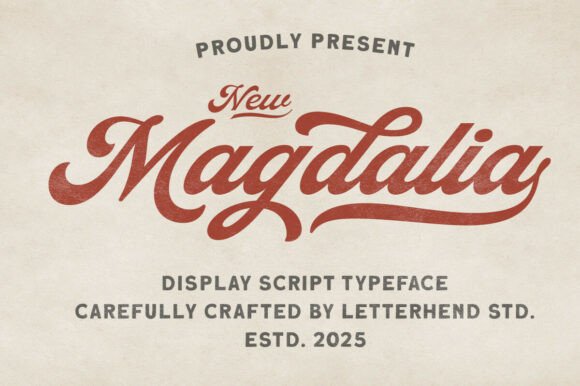
At its core, Magdalia is built on flowing, confident strokes. The letterforms have a natural, handcrafted quality that avoids looking digitized or sterile. What really sets it apart are the stylish swashes and alternate characters—the decorative flourishes that extend from the letters. These elements give you significant control over the final look, allowing you to tailor the font’s personality from elegant and refined to bold and expressive. Because it’s PUA-encoded, accessing these special glyphs is straightforward, even in basic design software. You’re not just buying a set of letters; you’re investing in a flexible design asset.
Where This Script Font Truly Shines
Understanding a font’s ideal environment is key to using it effectively. Magdalia’s strength lies in its ability to command attention at display sizes. This makes it a natural fit for projects where a strong, classic impression is the goal. Consider its application in logo design. A well-crafted logo using Magdalia can instantly convey heritage, craftsmanship, or boutique quality. It’s particularly effective for brands in the wedding, artisan food, cosmetic, or luxury goods spaces, where a personal, trustworthy touch is paramount.
Beyond logos, its utility extends across various design domains:
- Packaging Design: On a product label, Magdalia can elevate a simple package into something that feels premium and carefully considered. It helps tell a story before the customer even reads the product description.
- Poster & Editorial Design: For event posters, magazine headlines, or book titles, this typeface provides a focal point that is both visually interesting and highly readable at a glance.
- Apparel & Merchandise: The handcrafted aesthetic translates beautifully to clothing, tote bags, and other merchandise, giving items a custom, boutique feel.
- Social Media & Web Banners: Used strategically in a headline or a key phrase, it can stop the scroll and add a layer of sophistication to your digital presence, making your graphics stand out in a crowded feed.
However, it’s crucial to recognize its nature. As a display font, Magdalia is engineered for impact in short bursts—headlines, logos, and pull quotes. Using it for long paragraphs of body copy would sacrifice readability, which is a common misstep with script fonts. Its role is to set the stage, not to narrate the entire story.
Integrating Magdalia into Your Design Workflow
Choosing a premium font is a practical decision. You need to ensure it solves a problem and fits within your project’s constraints. Here’s a straightforward approach to evaluating and using Magdalia.
Evaluate the Project Fit: Start with the emotion and message you need to convey. Does your project call for nostalgia, elegance, or artisanal quality? If the answer is yes, Magdalia is a strong candidate. If you’re aiming for ultra-modern minimalism or stark corporate formality, you might need to look at a clean sans serif font instead.
Master the Font Pairing: This is where Magdalia’s versatility becomes a practical asset. A display script needs a grounding partner. The most reliable strategy is to pair it with a neutral, highly legible serif font or sans serif font for body text. For example, Magdalia for a headline paired with a classic serif like Garamond or a modern sans serif like Montserrat for supporting text creates a balanced and professional visual hierarchy. The contrast ensures the script has room to breathe without sacrificing the clarity of your message.
Explore the Glyphs: Don’t just type and go. Open the glyph panel in your design software (like Adobe Illustrator, Photoshop, or Affinity Designer) and explore the alternate characters. Swapping out a standard lowercase ‘g’ for a more elaborate swash version, or connecting letters in a specific way, can transform a generic headline into a custom piece of lettering. This manual tweaking is what elevates a design from using a font to truly mastering it.
Mind the Readability: Always test your text at the intended size and in context. Zoom out. Print a test copy. Ask someone who hasn’t seen the design to read the headline. Legibility at a glance is non-negotiable for effective communication, especially in web design and social media graphics where user attention is fleeting.
Understand the License: Magdalia is a commercial font. Before using it in a client project, a product for sale, or extensive commercial materials, verify the licensing terms. Typically, a desktop license covers most uses, but if you’re embedding it in a website via @font-face or using it in a mobile app, you may need a specific web or app license. Respecting the font designer’s work through proper licensing is a mark of professionalism in the creative font community.
Ultimately, a typeface like Magdalia is more than just a design asset; it’s a component of your brand identity. Used thoughtfully, it can help craft a narrative that resonates, builds recognition, and engages your specific audience. It’s about choosing a voice for your brand that is both distinctive and appropriate, ensuring your visual communication is as strong and considered as your written message.